

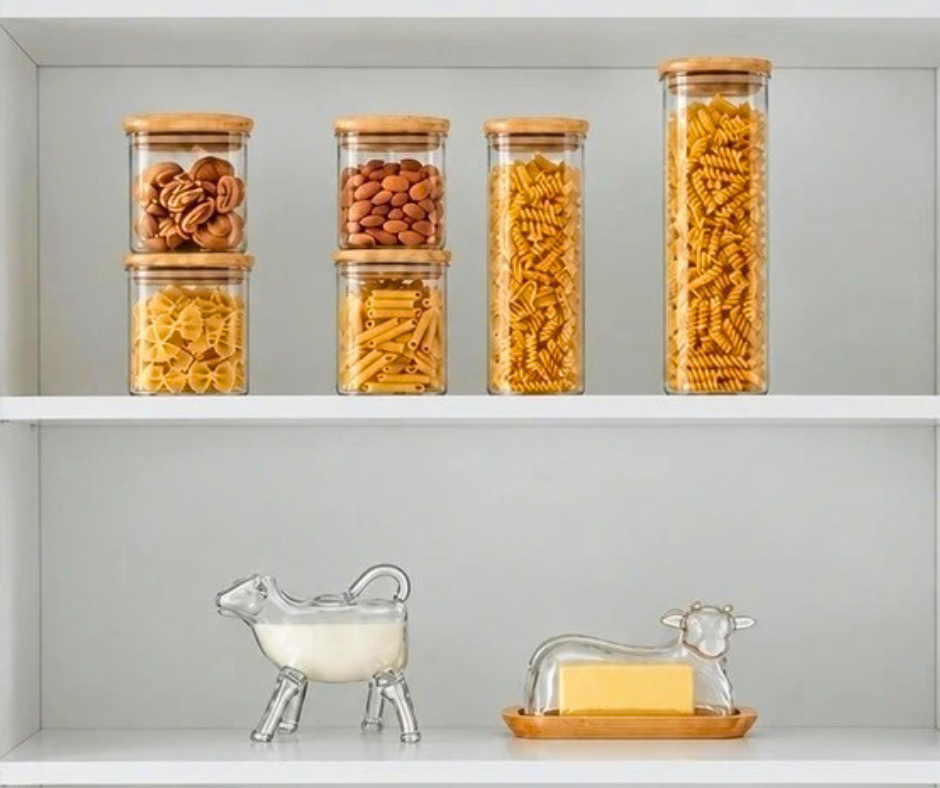
Keep your food fresher, reduce waste, and make everyday kitchen organization easier with these simple storage tips.
Have you ever opened your fridge only to find wilted vegetables, soggy leftovers, or snacks that have lost their crunch?
You're not alone! Sometimes, the problem isn't what you're buying—it's how you're storing it.
With busy schedules, weekly grocery runs, and family meals to prepare, keeping food fresh can feel like a challenge. But a few simple changes to your storage habits can help you make the most of your groceries, reduce unnecessary waste, and keep your kitchen beautifully organized.
Here are five common food storage mistakes you might be making—and how to fix them.
1. Storing Everything in Its Original Packaging
It's tempting to leave groceries in the packaging they came in. After all, it's convenient!
But not all packaging is designed for long-term freshness. Once opened, bags of cereal, crackers, nuts, and other pantry staples can let in moisture and air, causing food to lose its texture and flavor.
The Fix:
Transfer suitable dry foods into clean, airtight containers after opening.
Clear glass containers make it easy to see what you have, while reusable storage solutions help keep your pantry organized and reduce reliance on disposable packaging.
Genicook Tip: Organize your favorite dry snacks and pantry essentials in reusable glass containers to create a cleaner, more functional kitchen.

2. Putting Hot Leftovers Straight Into Large, Deep Containers
After a delicious homemade meal, storing leftovers might be the last thing on your mind.
But packing a large amount of steaming-hot food into one deep container can slow down cooling, potentially allowing food to remain at unsafe temperatures for too long.
The Fix:
Divide leftovers into smaller, shallow, food-safe containers so they cool more quickly. Refrigerate perishable foods within two hours of cooking—or within one hour if the surrounding temperature is above 90°F (32°C).
Choose containers that are appropriate for the food temperature, and always follow the manufacturer's instructions.
Genicook Tip: Smaller glass food containers can make portioning and organizing leftovers easier, especially when preparing meals for the week.

3. Keeping Fruits and Vegetables Together
Not all fresh produce makes the perfect storage companion!
Some fruits, such as apples, bananas, and ripe avocados, release ethylene gas as they ripen. Ethylene-sensitive vegetables and fruits may spoil or ripen faster when stored nearby.
Excess moisture can also encourage certain types of produce to deteriorate.
The Fix:
- Separate ethylene-producing fruits from sensitive produce.
- Store leafy greens with appropriate moisture control.
- Keep berries refrigerated and avoid washing them until you're ready to eat them, unless you can dry them thoroughly.
- Check produce regularly and remove spoiled items.
A little organization can go a long way toward keeping your fresh ingredients ready for your next meal.

4. Using the Wrong Container for the Wrong Food
One container doesn't necessarily work for everything.
Dry pantry staples benefit from protection against moisture, while refrigerated leftovers need food-safe containers that help prevent leaks and contamination.
Fresh produce may need ventilation or humidity control rather than a completely airtight environment.
The Fix:
Choose storage containers based on what you're storing.
For dry foods, airtight containers can help preserve texture and quality. For leftovers, choose durable, leak-resistant containers designed for refrigeration. For fresh produce, follow the recommended storage conditions for each item.
Glass food storage containers are a practical choice for many everyday kitchen needs. They're reusable, easy to clean, and allow you to see what's inside without opening every lid.
Genicook Tip: Build a flexible storage system with different container shapes and sizes to suit your family's daily needs.

5. Forgetting What's Hiding in the Back of Your Fridge
We've all been there—you buy fresh ingredients with the best intentions, only to discover them days later behind a stack of containers.
When food is out of sight, it's easy to forget what you already have. That can lead to duplicate purchases, spoiled ingredients, and unnecessary food waste.
The Fix:
Try the First In, First Out (FIFO) method:
- Move older groceries toward the front.
- Place newly purchased items behind them.
- Label leftovers with the date they were prepared.
- Check your fridge before making your next grocery list.
- Plan meals around ingredients that need to be used soon.
Transparent containers can make it easier to spot ingredients and leftovers at a glance.
Just remember: food safety matters more than appearance. Refrigerated cooked leftovers should generally be eaten within three to four days.
 Shop Now
A Fresher Kitchen Starts With Smarter Storage
Reducing food waste doesn't require a complete kitchen makeover.
Sometimes, it's as simple as choosing the right containers, organizing your refrigerator, and being more mindful of how you store everyday ingredients.
Small changes can make a big difference—not only for your groceries, but also for your daily routine.
At Genicook, we believe everyday kitchen essentials should combine thoughtful design with practical functionality.
From meal prepping to pantry organizing, our glass food storage solutions are designed to help make your kitchen feel simpler, cleaner, and more organized.
Because a well-organized kitchen makes everyday living a little easier.
Store Smarter. Waste Less. Live Better.
Explore the Genicook Collection and discover a smarter way to organize your everyday essentials.


Leave a comment
All comments are moderated before being published.
This site is protected by hCaptcha and the hCaptcha Privacy Policy and Terms of Service apply.